
For many Ontario retirees, their home is their largest asset. Yet a valuable home does not always mean comfortable cash flow.
Property taxes, living costs and home repairs continue after retirement. Some homeowners still carry mortgage debt.
A reverse mortgage allows homeowners to access part of their home equity without selling. I have helped clients complete six reverse mortgages over the past five years, and every case has been different.
The most useful question is not simply, “Can I qualify?” It is: “Would a reverse mortgage make my retirement easier?”
What Is a Reverse Mortgage?
A reverse mortgage is a loan secured against your principal residence. It is generally available to homeowners age 55 or older.
Unlike a conventional mortgage, regular principal and interest payments are normally not required. Interest usually accumulates unless the homeowner makes permitted voluntary payments.
You continue to own your home and remain on title. You are still responsible for property taxes, insurance, maintenance and meeting the lender’s occupancy requirements.
For retirees, the appeal is access to home equity without another required monthly mortgage payment. Proceeds are generally tax-free and do not reduce Old Age Security (OAS) or Guaranteed Income Supplement (GIS) benefits.
How Much Could You Borrow?
You may see advertising that says “up to 55%” of the property value. However, not everyone qualifies for the maximum.
As a rough starting point for a single homeowner:
- Age 55: around 35%
- Age 60: around 40%
- Age 65: around 45%
- Age 70: around 50%
- Age 80: around 55%
These are rough guidelines, not lending commitments.
For couples, both homeowners’ ages matter. A husband aged 72 and wife aged 64 may receive a different result from a couple aged 67 and 65.
Property details matter too. A detached home, semi-detached home or high-rise condominium may produce different results. Postal code and appraised value also affect the amount.
That is why I use professional lender illustration tools rather than rely on an age chart.
What Happens to Your Existing Mortgage or HELOC?
A reverse mortgage is generally registered in first position. Existing mortgages and secured lines of credit usually need to be paid out.
Suppose a retired couple owns a $1.2 million home and still owes $200,000 on their mortgage. Part of the reverse mortgage proceeds may be used to pay it off, eliminating the old monthly mortgage payment.
They have converted part of their equity into improved monthly cash flow.
Do You Have to Take All the Money at Once?
Not necessarily.
Depending on the product, you may take only what you need initially and leave some of the approved amount available for future withdrawals.
Some products offer scheduled advances, such as $3,000 each month to supplement retirement income.
Interest generally begins accumulating only after funds are advanced. The objective should be to borrow what you need, when you need it, rather than automatically taking the maximum.
Will the Mortgage Balance Keep Growing?
If no payments are made, interest will accumulate and the mortgage balance will grow over time. That is a real cost and should be understood.
But no required payments does not mean payments are prohibited.
Some homeowners choose to make voluntary payments toward the interest so the balance grows more slowly. Others may make an occasional lump-sum payment when permitted under the mortgage terms.
Rules vary by product, but borrowers may have ways to manage the balance.
What About the Value of Your Home?
The mortgage balance is only one side of the picture. The other side is the value of the property.
Real estate values can fall, yet homeowners who bought decades ago may still have substantial equity.
Future appreciation is never guaranteed, and nobody should assume property values will always rise faster than reverse mortgage interest.
However, for many long-time homeowners, the practical question is whether using a reasonable portion of that accumulated equity can make retirement more comfortable.
That may mean fewer worries about monthly bills, more flexibility for healthcare or home repairs, or simply the freedom to enjoy retirement without calculating every dollar they spend.
Will the Bank Own Your Home?
No.
You continue to own the property and remain on title. The reverse mortgage is simply registered against the home.
You must maintain the property and keep taxes and insurance current. When the home is sold or another repayment event occurs, the balance is repaid. Remaining equity belongs to you or your estate.
That is why estate planning should be part of the discussion if leaving the maximum possible equity to children is a priority. Some products also offer a no-negative-equity guarantee, subject to the mortgage terms.
Is Downsizing Better?
Sometimes it is, but not always.
Selling may release equity and reduce carrying costs, but downsizing can involve a major lifestyle change.
Someone accustomed to living in a 2,500 sq. ft. house may find moving into a 650 sq. ft. apartment or condominium a significant adjustment in space, comfort and daily living.
Many retirees want to remain near family, friends, doctors, church and their familiar neighbourhood.
For some homeowners, remaining in that familiar environment is worth a great deal.

Should You Consider a HELOC or Regular Refinance Instead?
Absolutely. A reverse mortgage should not automatically be the first solution.
A HELOC may carry a lower interest rate. If you can qualify and comfortably make the required payments, it may be less expensive.
A conventional refinance may offer a lower rate, but income qualification and regular payments still apply.
That may not solve a retiree’s cash-flow problem.
The lowest-interest product is not always the product that best fits the homeowner’s life.
How Do You Know Whether a Reverse Mortgage Is Right for You?
I usually begin with a few practical questions.
Why do you need the money? How much do you actually need? What debts are secured against the home? How long do you expect to remain there? How important is preserving home equity for your family? Would another type of financing be more suitable?
Only after answering those questions does it make sense to compare the available reverse mortgage options.
Products differ in borrowing limits, advance options, rates and payment flexibility. An appraisal and independent legal advice are generally required, and it is important to review fees and prepayment terms before proceeding.
Even if you have limited retirement income, you may still qualify for a reverse mortgage. Unlike conventional mortgages, reverse mortgages generally do not require traditional GDS or TDS income ratios.
Curious Whether a Reverse Mortgage Could Work for You?
You do not need to make any decision just because you want more information.
If you are wondering how much may be available, how a reverse mortgage could affect your monthly cash flow, or whether another option may be better, text me and we can arrange a brief telephone or Zoom meeting.
We can review your situation, estimate what may be available based on your ages and property details, and discuss the alternatives.
I have helped clients successfully fund six reverse mortgages over the past five years, and I understand the questions and concerns homeowners may have.
Sometimes, the first step is simply understanding how it works. Once the common reverse mortgage myths are gone, the decision becomes much easier.
We work with a range of reverse mortgage lenders, including:
Please text me at 416-618-9312 to arrange a phone or Zoom appointment.
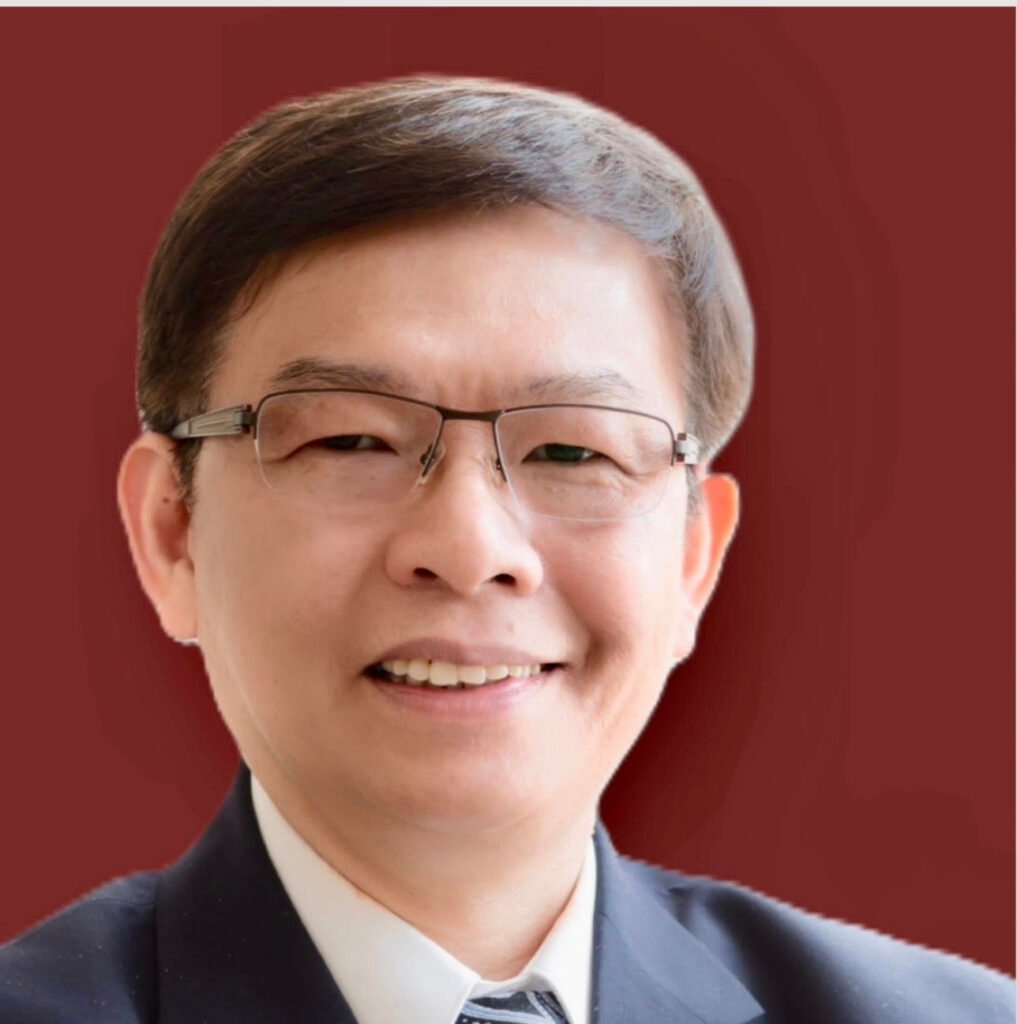
Maurice Kwok ・ 郭澤文
Mortgage Broker, CPA, MBA ・ 粵語 ・ 國語
FSRA-licensed Mortgage Broker (Licence #M13000496)
Sherwood Mortgage Group (FSRA Brokerage Lic.#12176)
Your trusted mortgage guide since 1995.