Canada’s economy shrank at a 1.6% annualized pace in the second quarter of 2025, inflation eased to 1.7% in July, and the unemployment rate rose to 7.1% in August—three signs of a cooling economy that raise the odds the Bank of Canada will move rates lower in the months ahead.
If you’ve been watching interest rates and wondering whether now’s the time to lock in—or wait it out—you’re not alone. Fixed rates offer stability, but most banks are currently offering around 4.5% for a 5-year fixed term, while shorter terms are even higher. That means locking in today could limit your ability to benefit from potential rate cuts in the months ahead.
This blog is here to help you make sense of your options in today’s shifting mortgage landscape.
🇨🇦 Canada’s Economic Climate: Why the Risk Is Contained
The Bank of Canada’s interest rate decisions are shaped by the health of the economy—and right now, the indicators suggest a cooling environment that favors lower rates.
- Slower economic growth: Real GDP declined by 0.4% quarter-over-quarter in Q2 2025, and consumer spending is softening. This limits the Bank of Canada’s appetite for future rate hikes.
- Controlled inflation: The Consumer Price Index (CPI) rose 1.7% year-over-year in July, down from 1.9% in June. Inflation is now below the 2% target, giving the central bank room to ease rates further.
- Global headwinds: U.S. tariffs and trade uncertainty are putting pressure on exports and manufacturing, increasing the likelihood of continued rate cuts.
- Cooling labour market: Job growth has slowed, and wage pressures are easing—another signal that inflation is under control. Canada’s unemployment rate rose to 7.1% in August 2025—the highest since 2016, excluding pandemic years.
These factors suggest that interest rates are more likely to fall than rise in the coming months—making variable rate mortgages a more attractive and strategic option for many borrowers.
🏡 Ontario Homeowners: Timing Is Everything
In places like the Greater Toronto Area (GTA), home prices have softened. As of August 2025, the GTA average sale price dropped 5.2% year-over-year to $1.02 million. New listings are up, giving buyers more negotiating power, while sellers face a more competitive market.
This shift creates a unique opportunity:
- More inventory means buyers have options
- Lower prices improve affordability
- Rate cuts could further boost purchasing power
For homeowners considering refinancing, or buyers entering the market, this environment—combined with the potential for lower variable rates—offers a chance to secure better terms and long-term savings.
🔍 Fixed vs. Variable: What You Need to Know
Let’s break down the two main options:
Fixed Rate Mortgage
- Offers predictability, but little flexibility
- Comes with higher penalties if you break early
- Rates are currently around 4.5% for 5-year terms, with shorter terms even higher
Variable Rate Mortgage
- Starts lower and drops with the market
- Lets you benefit from future rate cuts
- Easier to exit or switch if your plans change
- Typically comes with a simple 3-month interest penalty if broken early
🧭 Not All “Variable” Mortgages Are the Same
Many Canadians assume that all variable rate mortgages behave the same way—but there are actually two distinct types, and understanding the difference can help you choose the right fit.
1. Variable Rate Mortgage (VRM) – Commonly offered by major banks
- Your interest rate fluctuates with the prime rate
- Your monthly payment stays the same
- When rates drop, more of your payment goes toward principal
- When rates rise, more goes toward interest, and less toward principal
2. Adjustable Rate Mortgage (ARM) – Often offered by trust companies and credit unions
- Your interest rate and monthly payment both adjust with the prime rate
- If rates drop, your monthly payment decreases
- If rates rise, your payment increases to keep pace with interest costs
💡 Why This Matters in 2025
If you’re expecting rates to fall—as many economists are forecasting—an ARM could offer more immediate savings, since your monthly payment would drop within a month of a rate cut. A VRM, on the other hand, keeps your payment steady but helps you build equity faster.
Both options have their advantages. The key is knowing which one aligns with your financial goals:
- Want lower payments now? Consider an ARM
- Want to pay down your mortgage faster without changing your budget? A VRM might be better
💰 A Realistic Example of Potential Savings
For example, a homeowner refinancing a $600,000 mortgage at a variable rate of 4.5%, which is currently similar to the 5-year fixed rate, may not see immediate savings. However, if the variable rate drops by 0.5% over the next 9 months, their monthly payment would decrease by approximately $170. That’s more than $2,000 in annual savings—money that could be redirected toward renovations, investments, or simply easing monthly cash flow.
🧠 Why the “Lowest Rate” Isn’t Always What You’ll Get
If you’ve been browsing mortgage websites or broker ads, you’ve probably seen rates that look surprisingly low—often labeled as “best available” or “starting from.” But here’s what many people don’t realize: those rates are typically insured rates, and most borrowers don’t qualify for them.
What Is an Insured Rate?
An insured mortgage is backed by mortgage default insurance—like CMHC, Sagen, and Canada Guaranty—which protects the lender if the borrower defaults. These loans are considered lower risk, so lenders offer discounted rates—sometimes up to 0.25–0.40% lower than conventional rates.
Who Qualifies?
To get an insured rate, you must meet very specific criteria:
- Buying a home under $1.5 million
- Putting less than 20% down
- The mortgage is new—not a refinance
- The property is owner-occupied
If you’re refinancing, buying with 20% or more down, or purchasing a home over $1.5 million, you won’t qualify for an insured rate. Yet many ads still showcase these rates as the headline offer—only to clarify the restrictions later.
🛑 Let’s Talk About Risk—Honestly
Yes, variable rates can rise. And yes, that means your payments could increase. But here’s what most people don’t realize:
- Rate hikes don’t happen overnight: The Bank of Canada typically adjusts rates gradually, giving you time to respond
- You can lock in later: Most variable mortgages allow you to convert to a fixed rate at any time—often without penalty
- You’re not stuck: With the 3-month interest penalty, you can exit your mortgage more affordably if your financial situation changes
In other words, variable doesn’t mean reckless. It means responsive.
💬 What Clients Are Saying
“Maurice helped me switch to a variable rate just before the Bank of Canada started cutting. I’ve saved over $4,000 in interest this year alone—and I feel confident knowing I can lock in if things change.” — Jaspreet S., Vaughan
“I was nervous about going variable, but Maurice explained everything clearly. Now I’m paying less each month and I have options if rates go up.” — Lina M., Richmond Hill
🧭 You Need a Guide. That’s Where I Come In.
I’m Maurice, and I help people like you make smart mortgage decisions every day. I don’t just offer rates—I offer strategy. I’ll walk you through your options, explain the risks, and help you choose a mortgage that fits your life, not just the market.
My approach is built on clarity, transparency, and long-term thinking. I’ll never push a product—I’ll help you build a plan.
✅ The Call to Action: Let’s Talk Strategy
If you’re ready to explore variable rate options, let’s connect. I’ll help you:
- Understand how variable and adjustable rate mortgages work
- Compare lenders and terms
- Build a mortgage plan that supports your goals
You don’t have to navigate this alone. I’m here to guide you every step of the way. Ready to take the next step? You can apply online in 10 minutes and I’ll follow up personally to walk you through your options.
Maurice Kwok
Ontario Mortgage Broker, FSRA Lic. #M13000496
Sherwood Mortgage Group, FSRA Lic.#12176
📱 (416) 618-9312
📧 maurice@sherwoodmortgagegroup.com
📅 Schedule a call or Zoom
🌱 Your Mortgage, Working for You
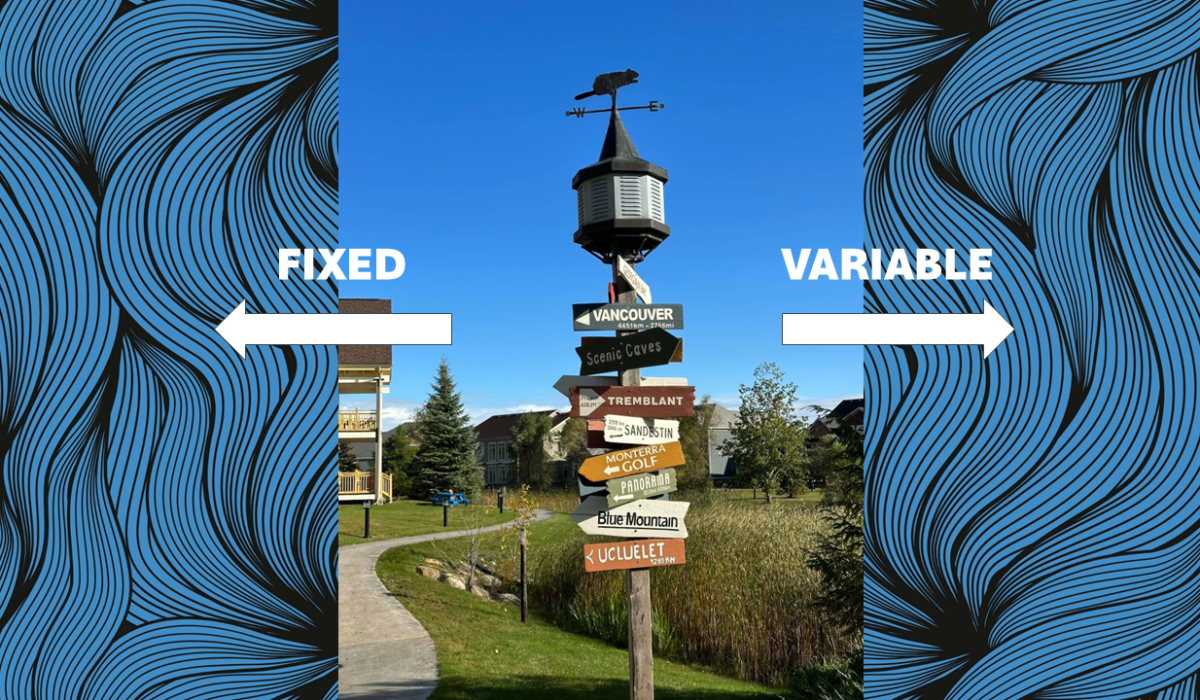
Photo: © Maurice Kwok — Blue Mountain, Ontario (Oct 2023).